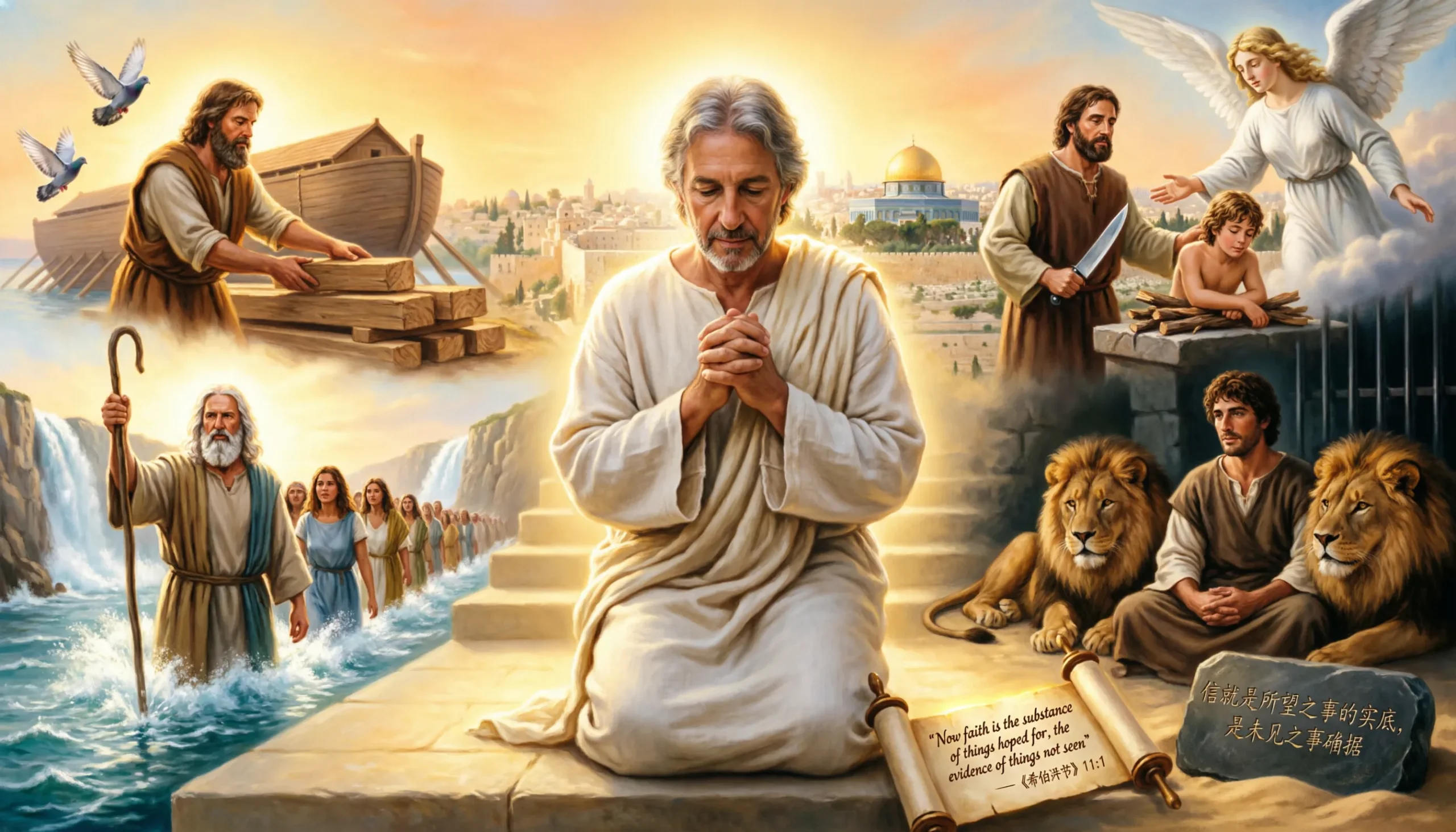
Faith often begins in a quiet place. It may rise during prayer, in a moment of fear, or when life feels uncertain and fragile. You may whisper, “God, I trust You,” even when you don’t fully understand what lies ahead. That simple trust is the heartbeat of faith. Many believers ask, What does faith really mean in the Bible? Is it belief, hope, obedience—or something deeper?
In Scripture, faith is not blind optimism. It is not pretending everything is fine. Biblical faith is a living relationship with God—one built on trust, surrender, and confidence in who God is. From Genesis to Revelation, faith shapes how people walk with God, endure trials, and receive His promises.
If you are searching for the faith meaning in the Bible, you are likely seeking reassurance, clarity, or strength for your spiritual journey. You may want to know how faith works, why it matters, and how it connects to God’s guidance in your life.
Let’s gently explore the biblical meaning of faith, its spiritual symbolism, and how it brings hope, peace, and transformation to the heart of every believer.
Biblical Meaning of Faith
The clearest definition of faith in the Bible is found in Hebrews:
“Now faith is the assurance of things hoped for, the conviction of things not seen.” — Hebrews 11:1
In the Bible, faith means trusting God completely, even when outcomes are unseen. It is confidence in God’s character, promises, and power.
What Faith Means in Scripture
Biblically, faith includes several key elements:
- Trust in God – Believing that God is good and faithful
- Confidence in God’s promises – Standing on His Word
- Obedience – Acting on trust, not fear
- Hope – Expecting God to work, even in hardship
Faith is not just believing that God exists. It is believing God is who He says He is.
“And without faith it is impossible to please God.” — Hebrews 11:6
Throughout the Bible, faith is shown through real people:
- Abraham trusted God’s promise without seeing it fulfilled (Genesis 15:6).
- Moses walked forward before the sea parted (Exodus 14).
- David trusted God before facing Goliath (1 Samuel 17).
Their faith did not remove fear—but it chose trust over fear.
Faith and Salvation
The Bible teaches that faith is central to salvation:
“For by grace you have been saved through faith.” — Ephesians 2:8
Faith is not earned. It is a gift that opens the heart to God’s grace. This shows that biblical faith is not about perfection—it’s about dependence on God.
Spiritual Significance and Symbolism of Faith
Spiritually, faith symbolizes connection with God. It is the bridge between the human heart and divine truth.
The spiritual symbolism of faith includes:
- Light in darkness
- Strength in weakness
- Peace in uncertainty
- Hope during trials
Faith grows most during difficult seasons. When answers delay or life feels heavy, faith teaches believers to lean on God rather than their understanding.
“We walk by faith, not by sight.” — 2 Corinthians 5:7
This verse reveals that faith is a daily walk, not a single moment. It is choosing to trust God step by step, prayer by prayer.
In spiritual life, faith also brings transformation. It reshapes how believers think, respond, and love. Faith softens the heart and strengthens the spirit.
Biblical Interpretations of Faith in Dreams or Real Life
In dreams, faith often appears through symbols like light, walking forward, open doors, or calm after storms. Biblically, these symbols point to trusting God’s direction.
- Peaceful dreams: reassurance that God is with you
- Dreams of crossing or movement: stepping forward in faith
- Dreams after fear or loss: healing and spiritual renewal
In real life, faith shows up in everyday choices:
- Praying instead of panicking
- Trusting God during uncertainty
- Obeying God even when the path feels unclear
Jesus often connected faith with healing and peace:
“Your faith has made you well.” — Mark 5:34
This does not mean faith removes all problems. It means faith invites God’s power and presence into them.
Practical Lessons & Faith Insights
- Faith grows through prayer and God’s Word
- Small faith still matters—Jesus said even mustard-seed faith is powerful
- Faith is strengthened by trusting God daily, not all at once
- When faith feels weak, God’s grace remains strong
Faith is a journey, not a test you must pass.
Conclusion
The faith meaning in the Bible is simple yet profound. Faith is trusting God with your heart, your future, and your fears. It is believing in His promises even when you cannot see the outcome. Scripture shows that faith connects believers to God’s grace, guidance, and peace.
If you are seeking faith today, know this: God honors sincere trust, even when it feels small. Continue praying, reflecting, and leaning on Him. Faith grows quietly, and God walks faithfully beside those who choose to trust Him—step by step, day by day.