Imagine reading the Bible late at night. The room is quiet. Your heart is full of questions. Then you see a word that feels strange and heavy — eunuch.
Maybe you saw it while reading Scripture.
Maybe you heard it in church.
Or maybe you dreamed about it and woke up wondering, “What does this mean?”
In the Bible, some words carry deep stories. They are not always easy to understand at first. Eunuch is one of those words. It can feel confusing, even uncomfortable. But when we slow down and look closely, we begin to see hope, purpose, and God’s gentle care hidden inside this meaning.
People searching for the eunuch meaning in the Bible are often looking for more than a definition. They want to know:
- What is God saying through this symbol?
- Does it relate to my faith journey?
- Is there a message of comfort or guidance here?
The Bible does not use words by accident. Every symbol carries spiritual meaning, biblical symbolism, and a divine message meant to guide the heart. When we understand the eunuch through God’s eyes, we begin to see not shame — but belonging, calling, and transformation.
Let’s gently walk through what the Bible truly says and why this meaning still matters today.
Biblical Meaning of Eunuch in the Bible
In simple terms, a eunuch in Bible times was often a man who could not have children or who served in royal courts. But the eunuch meaning in the Bible goes far beyond physical description. It speaks deeply about identity, sacrifice, and God’s inclusive grace.
Eunuchs in Ancient Biblical Times
In the ancient world, eunuchs often worked close to kings and queens. They were trusted servants. Because they had no family lineage, their loyalty was seen as undivided.
The Bible mentions eunuchs in several places, showing both human limitation and God’s greater plan.
A Warning in the Old Testament
In Deuteronomy 23:1, eunuchs were restricted from entering certain parts of worship:
“No one who has been emasculated… may enter the assembly of the Lord.”
This verse reflects old covenant laws, not God’s final heart. At that time, physical wholeness was linked to ritual purity. This rule was not meant to reject people forever, but to point toward a future redemption.
God’s Promise of Inclusion
Then comes a powerful shift.
In Isaiah 56:3–5, God speaks directly to eunuchs:
“To them I will give within my temple and its walls a memorial and a name better than sons and daughters.”
This is huge.
God promises:
- Belonging
- Honor
- An everlasting name
Here, the biblical symbolism changes. The eunuch is no longer excluded. Instead, they are embraced by God’s love. This shows that God values faith over form and heart over body.
Jesus’ Teaching on Eunuchs
In Matthew 19:12, Jesus speaks openly about eunuchs:
“There are eunuchs who were born that way, others made so by men, and others who choose to live like eunuchs for the sake of the kingdom of heaven.”
Jesus removes shame from the word. He teaches that some people live differently — and that difference can be holy. This shows that the Christian meaning of eunuch includes calling, surrender, and devotion to God.
The Ethiopian Eunuch
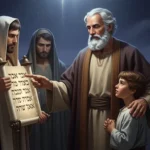
One of the most beautiful Bible stories appears in Acts 8:26–39.
An Ethiopian eunuch is reading Scripture. He feels lost. God sends Philip to help him understand. The eunuch believes, and he is baptized immediately.
This moment shows:
- God seeks the searching heart
- No one is too far away
- Faith opens the door to joy
The eunuch leaves rejoicing — a clear sign of God’s presence and approval.
Spiritual Significance and Symbolism
The spiritual symbolism of a eunuch is gentle but powerful. It speaks of surrender, waiting, and trusting God when life looks different.
Spiritual Lessons from the Eunuch
Spiritually, the eunuch represents:
- A life that feels cut off from normal expectations
- A heart that longs for purpose and acceptance
- A soul learning to depend fully on God
Many people today feel like this. They may feel unseen. They may feel different. They may feel they do not fit the world’s picture of success or family.
The Bible whispers hope here.
God says: “I see you.”
Transformation Through Faith
The eunuch’s story teaches spiritual awakening. What feels like loss can become holy ground. What feels empty can be filled with divine guidance.
Just like the Ethiopian eunuch, faith brings:
- Understanding
- Peace
- New direction
This is not about physical condition. It is about God shaping the heart.
Biblical Interpretations in Dreams or Real Life
Sometimes people experience the eunuch symbol in dream interpretation or real-life moments. These experiences often come during times of confusion, waiting, or deep prayer.
Seeing a Eunuch in a Dream
A dream involving a eunuch can point to:
- Feeling limited or misunderstood
- Fear of not producing fruit in life
- A season of spiritual testing
But it can also mean:
- God calling you closer
- A shift from worldly goals to spiritual focus
- Learning to trust God’s timing
Peaceful vs. Fearful Feelings
If the dream feels calm, it often carries a message of peace and acceptance.
If it feels heavy, it may invite prayer and reflection, asking God to heal hidden wounds.
In real life, meeting this symbol can be a reminder that God’s grace reaches everyone, no matter their past or pain.
Practical Lessons & Faith Insights
The eunuch meaning in the Bible teaches us to:
- Trust God when life feels incomplete
- Find identity in God’s love, not human labels
- Pray honestly and wait patiently
God uses every story — even broken ones — for hope and transformation.
Conclusion
The eunuch meaning in the Bible is not about rejection. It is about redemption, inclusion, and divine purpose. From Old Testament law to Jesus’ compassion and the Ethiopian eunuch’s joy, Scripture shows God welcoming every heart that seeks Him.
If this symbol has touched your life or dreams, take it as a gentle invitation. Pray. Reflect. Trust that God is writing a beautiful story — one filled with faith, guidance, and hope.