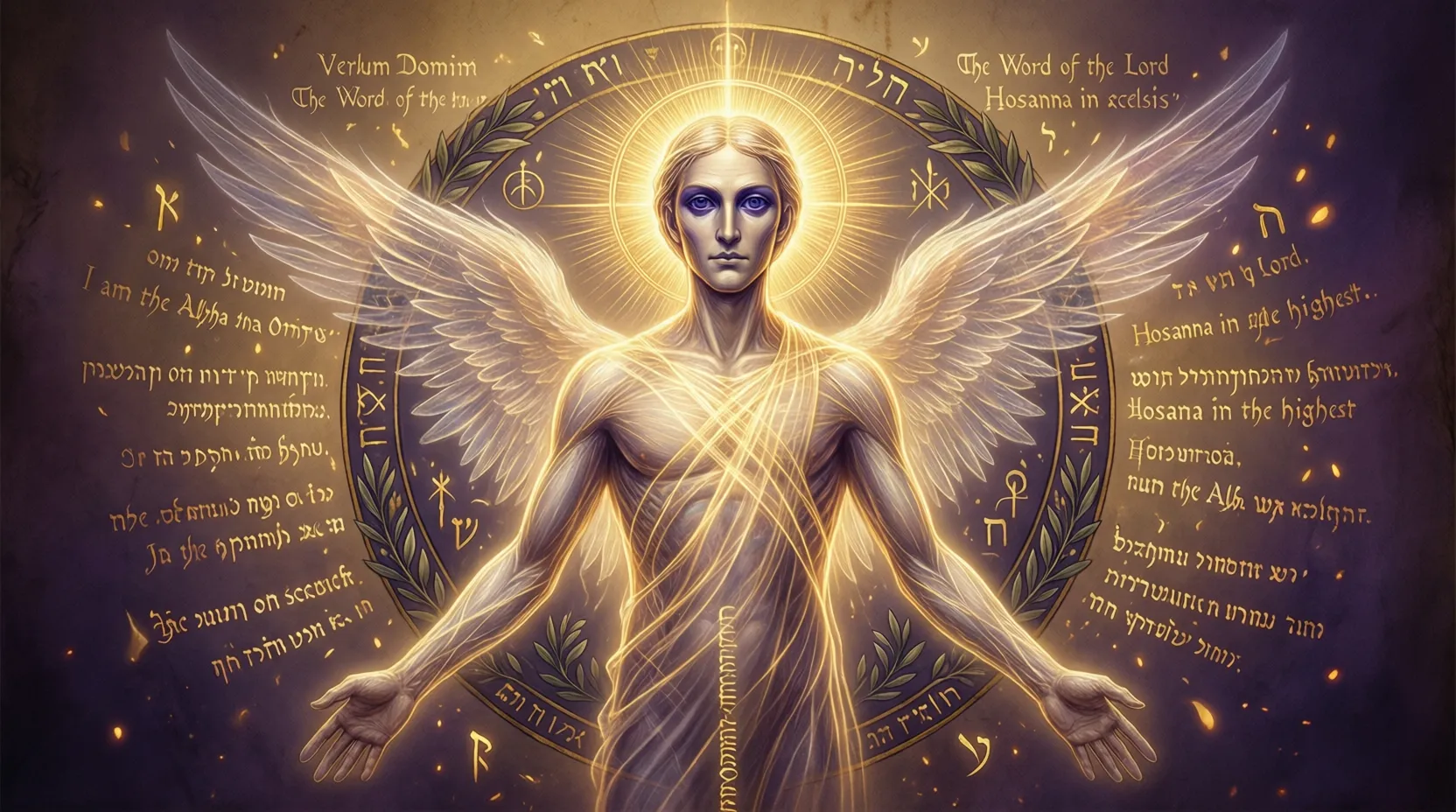
Have you ever wondered, What does “deity” really mean in the Bible?
It’s a word we sometimes hear in sermons or Bible studies, but it can feel a little formal or confusing.
In simple terms, a deity is a divine being, a god, or someone with ultimate power and authority.
In the Bible, this word points to God Himself—the one true Creator, Sustainer, and Savior.
Many believers search for deity meaning in the Bible because they want to:
- Understand God’s nature and authority
- See how Scripture distinguishes Him from false gods
- Grow in faith, reverence, and worship
The Bible makes it clear: there is only one true deity, and His power, wisdom, and love are unmatched.
Let’s explore the biblical meaning of deity, its spiritual significance, and lessons for believers today.
Biblical Meaning of Deity
📖 What Is a Deity According to the Bible?
In Scripture, deity refers to the divine nature or essence of God.
“For in Christ all the fullness of the Deity lives in bodily form.”
— Colossians 2:9
This verse shows that Jesus is fully God—fully divine.
He possesses the power, authority, and eternal nature of God.
🌿 The One True Deity
The Bible often contrasts the one true deity with false gods.
“You shall have no other gods before Me.”
— Exodus 20:3
False gods may exist in human imagination or idolatry, but only God has:
- Eternal life
- Infinite wisdom
- Unlimited power
- Perfect holiness
This is why understanding deity matters—it helps believers recognize true worship versus false worship.
✝️ Deity and Jesus Christ
The New Testament emphasizes that Jesus shares the same divine nature as God the Father.
- He performs miracles
- He forgives sins
- He is eternal, without beginning or end
“He is the image of the invisible God, the firstborn over all creation.”
— Colossians 1:15
Recognizing the deity of Christ strengthens faith and deepens understanding of salvation.
⚠️ Deity and Human Worship
The Bible warns against attributing deity to anything or anyone else.
“Those who make them will be like them, and so will all who trust in them.”
— Psalm 115:8
Understanding deity keeps believers focused on God alone for worship, guidance, and life purpose.
Spiritual Significance and Symbolism
🕊️ Recognizing God’s Authority
Knowing about deity reminds Christians to honor God’s authority in all areas of life.
It’s about trusting Him with:
- Decisions
- Relationships
- Daily challenges
🌈 Reflecting God’s Nature
Believers are called to reflect God’s character—love, mercy, justice—because they follow a holy deity.
“Be holy, because I am holy.”
— 1 Peter 1:16
🌿 Strengthening Faith
Understanding the deity of God brings:
- Confidence in His power
- Peace in uncertainty
- Hope for eternal life
It assures believers that God is in control, now and forever.
Biblical Interpretations in Daily Life
💤 Deity in Dreams or Visions
Dreams or visions referencing God or divine beings can remind believers of:
- God’s guidance
- His protection
- The call to worship Him alone
“The Lord appeared to him and said…”
— Genesis 31:11
🌍 Deity in Daily Life
Recognizing God as deity affects everyday life:
- Prioritizing prayer and Scripture
- Trusting God in decisions
- Rejecting false idols and worldly pressures
It turns faith into practical devotion.
Practical Lessons & Faith Insights
- Worship God alone as the true deity
- Reflect His character in your life
- Trust His authority in every situation
- Recognize Jesus as fully divine
Conclusion: God, the One True Deity
The deity meaning in the Bible points to God’s divine nature, authority, and eternal power.
Understanding deity helps believers:
- Worship with clarity
- Live in faith and obedience
- Trust in God’s perfect plan
Remember, there is no other being like Him.
He is eternal, loving, and powerful—worthy of all trust and praise.