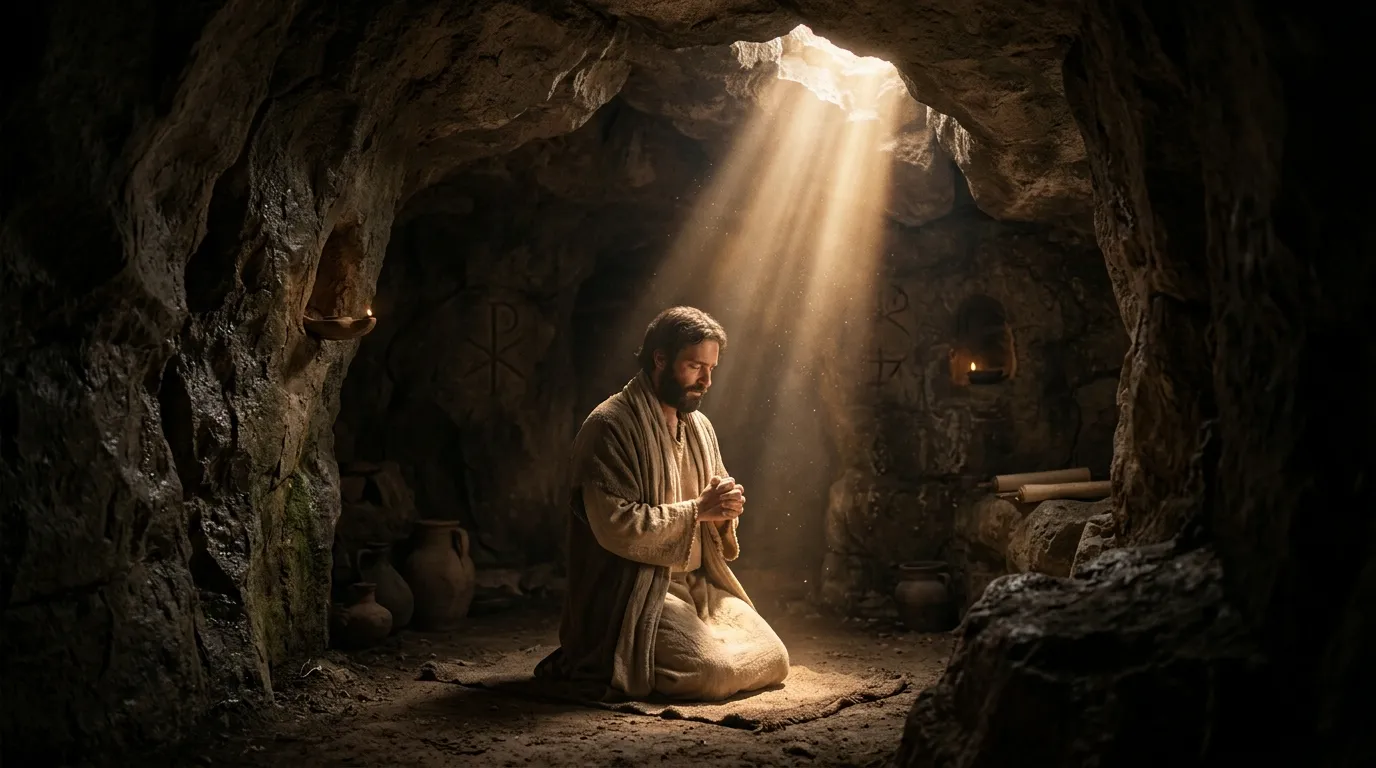
Imagine walking through a dark cave. The air is cool. The light is dim. At first, it may feel lonely or even frightening. Yet deep inside, there is also a sense of quiet. A cave can be a place where the noise of the world fades away.
Many people wonder about the meaning of caves in the Bible, especially if they read about them in Scripture, dream about them, or feel drawn to their symbolism. What does a cave represent in God’s Word? Is it a place of fear, protection, waiting, or spiritual growth?
In the New Testament, caves are not mentioned as often as in the Old Testament, but they still carry powerful meaning. They are often connected to humility, refuge, burial, transformation, and divine purpose. Some of the most important events in Christian belief are linked to places that resemble caves, including the birth and resurrection of Jesus.
When caves appear in dreams or life experiences, many Christians see them as symbols of a season of reflection, testing, or preparation. They can remind believers that even in hidden places, God is still working.
Let us explore the Caves in the New Testament meaning in the Bible and discover the spiritual message they may hold for your faith journey.
Biblical Meaning of Caves in the New Testament
Caves as Places of Humility
One of the most beautiful themes connected to caves is humility.
While the Bible does not directly state that Jesus was born in a cave, many early Christian traditions believed the stable or shelter where He was born resembled a cave. The Savior of the world entered humanity in a simple and humble place.
Luke 2:7 says:
“She wrapped him in cloths and placed him in a manger, because there was no guest room available for them.”
This reminds believers that God’s greatest blessings often arrive in unexpected places. A cave symbolizes humility and the willingness to trust God’s plan even when circumstances seem small or hidden.
Caves and Burial Places
In New Testament times, caves were often used as tombs.
The most famous example is the tomb where Jesus was buried after His crucifixion.
Matthew 27:60 says:
“He placed it in his own new tomb that he had cut out of the rock.”
This rock-hewn tomb carried deep spiritual symbolism. What appeared to be a place of death became a place of victory. Three days later, Jesus rose from the grave.
Because of this event, caves can symbolize:
- Transformation
- New beginnings
- God’s power over death
- Hope after suffering
For Christians, the empty tomb stands as one of the greatest symbols of faith.
Caves as Places of Waiting
The Bible often shows that God works during seasons of waiting.
A cave-like experience can represent a period when life feels quiet or uncertain. You may not see immediate answers to your prayers. Yet God may be preparing something greater beneath the surface.
Just as Jesus rested in the tomb before His resurrection, believers sometimes experience seasons where God is working behind the scenes.
These moments can teach:
- Patience
- Trust
- Dependence on God
- Spiritual growth
Caves and God’s Protection
Throughout Scripture, caves often served as places of shelter.
This creates a powerful picture of God’s protection. Sometimes the Lord leads His people into quiet places, not to abandon them, but to keep them safe while preparing them for the next season.
Psalm 46:1 reminds us:
“God is our refuge and strength, an ever-present help in trouble.”
Although this verse does not mention caves directly, it reflects the same biblical symbolism of refuge and security.
Warning Meaning of Caves
Not every cave symbol carries a positive meaning.
Sometimes a cave can represent:
- Fear
- Isolation
- Spiritual hiding
- Avoiding God’s calling
In difficult times, people may withdraw from others or hide from challenges. A cave can symbolize a temptation to remain stuck in fear rather than stepping forward in faith.
The Bible encourages believers to trust God rather than stay trapped in darkness.
John 8:12 records Jesus saying:
“I am the light of the world. Whoever follows me will never walk in darkness.”
This reminds Christians that God’s light reaches even the deepest cave.
Spiritual Significance and Symbolism
A Place of Spiritual Reflection
One of the strongest forms of biblical symbolism connected to caves is reflection.
Life can become busy and noisy. Sometimes God uses quiet seasons to draw believers closer to Him. During these moments, prayer becomes deeper and faith becomes stronger.
A cave can symbolize stepping away from distractions to hear God’s voice.
Transformation in Hidden Places
Many important spiritual changes happen where others cannot see them.
Seeds grow underground before they appear above the soil. In a similar way, God often develops character, wisdom, and faith during hidden seasons.
If you feel overlooked or forgotten, the symbolism of a cave offers encouragement. God is still working.
God’s Presence in Darkness
One of the most comforting truths of the Christian faith is that God remains present during difficult times.
Even when life feels dark, confusing, or lonely, believers can trust that God has not left them.
A cave reminds us that the presence of God is not limited to bright and joyful moments. He is also with us in seasons of grief, waiting, and uncertainty.
A Call to Spiritual Awakening
Sometimes a cave represents a moment before a breakthrough.
After prayer, reflection, and trust, God may lead a believer into a new chapter filled with purpose and hope.
This makes caves powerful symbols of:
- Spiritual awakening
- Faith
- Hope
- Transformation
- Divine guidance
Biblical Interpretations in Dreams or Real Life
Many people seek dream interpretation when caves appear in their dreams.
A peaceful cave may symbolize:
- God’s protection
- Rest and healing
- Time for prayer
- Spiritual preparation
If sunlight enters the cave, it may represent God’s guidance and the arrival of hope.
A dark or frightening cave may symbolize:
- Fear
- Uncertainty
- Hidden emotions
- A struggle requiring prayer
However, Christians should remember that not every dream carries a divine message. Dreams should always be viewed through Scripture and prayer.
In real life, a cave experience may describe a season where someone feels hidden, isolated, or uncertain about the future. Yet the Christian meaning is often encouraging. God frequently works in hidden places before revealing His greater plans.
When facing such seasons, believers can pray for wisdom, trust God’s timing, and seek comfort in His Word.
Practical Lessons & Faith Insights
The biblical meaning of caves teaches that God often works in places we least expect. When life feels dark or uncertain, continue to pray and trust Him. A hidden season does not mean God has forgotten you. It may be a time of preparation, healing, or growth. Stay faithful, seek His guidance, and remember that His light shines even in the deepest places.
Conclusion
The Caves in the New Testament meaning in the Bible points to humility, protection, transformation, and hope. From the humble setting connected to Christ’s birth to the rock-hewn tomb that became a symbol of resurrection, caves reveal God’s power to bring life from hidden places.
If you find yourself in a spiritual “cave” today, take heart. God is present in every season. Through prayer, faith, and trust, He can turn moments of darkness into opportunities for growth, renewal, and deeper fellowship with Him. His light still shines, and His purpose is still unfolding.