Words are powerful. They can heal, encourage, and build faith—but they can also wound, divide, and dishonor. In the Bible, there is one word connected deeply to how we speak and what we believe about God: blasphemy.
Many people feel fear or confusion when they encounter this word in Scripture. Some worry they may have committed it unknowingly. Others come across it during Bible reading, prayer, or even after a troubling thought or dream. This leads to an important question: What is the blasphemy meaning in the Bible?
In Scripture, blasphemy is not about accidental mistakes or passing doubts. It is about deliberate disrespect, rejection, or dishonoring of God’s truth and character. Yet, even with such a serious meaning, the Bible also speaks clearly about God’s patience, mercy, and desire for repentance.
Understanding the biblical meaning of blasphemy brings clarity, peace, and spiritual maturity. Let’s explore what the Bible truly teaches, its spiritual symbolism, and how believers can walk in reverence without fear.
Biblical Meaning of Blasphemy in the Bible 📜⚖️
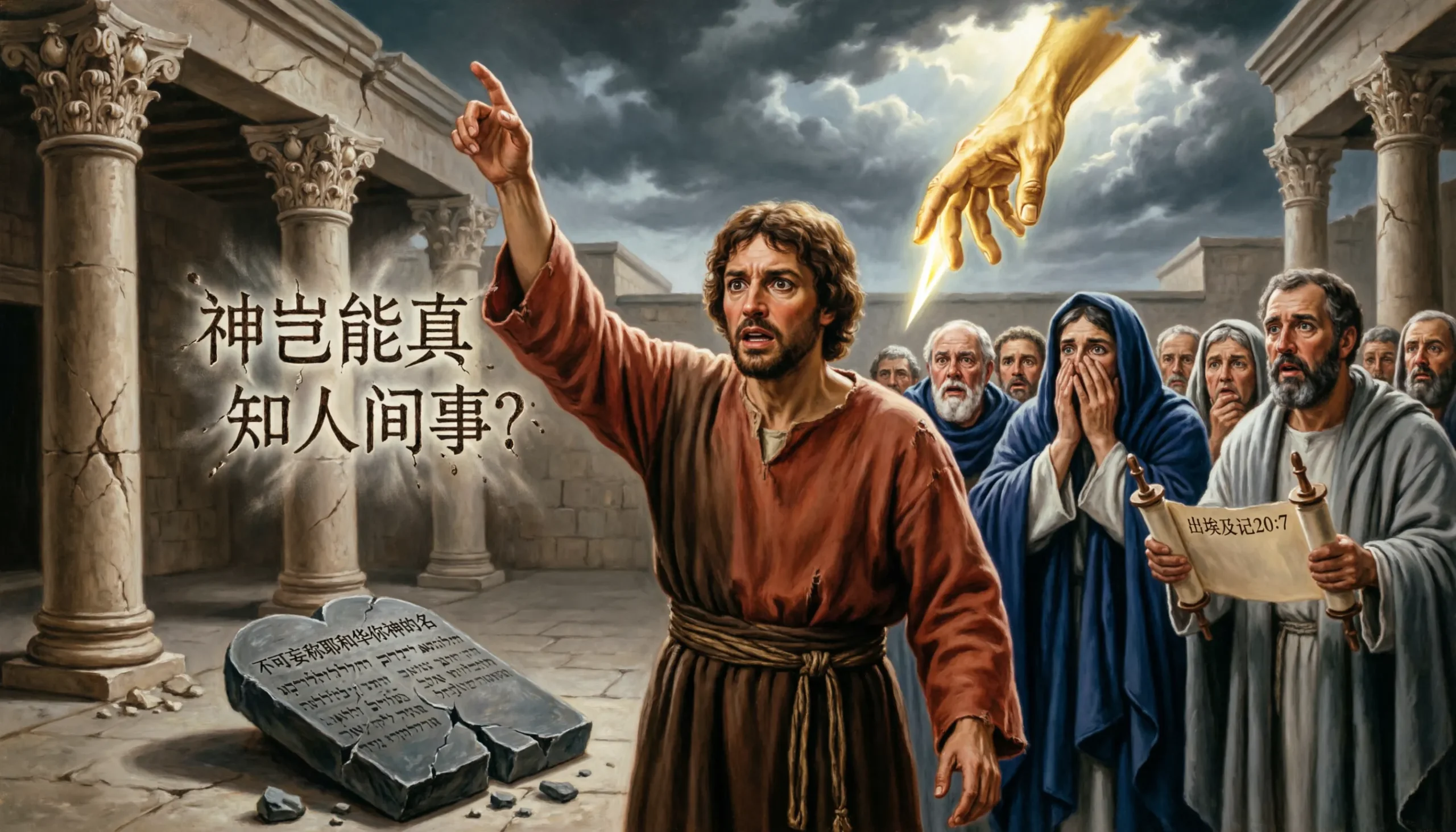
In the Bible, blasphemy means speaking against God, misusing His name, or deliberately rejecting His power and truth.
Blasphemy Against God
In Leviticus 24:16, blasphemy is described as cursing or dishonoring the name of the Lord. God’s name represents His holiness, authority, and presence, so treating it lightly was considered serious.
Blasphemy in the New Testament
In Matthew 12:31–32, Jesus speaks about blasphemy, including the well-known phrase “blasphemy against the Holy Spirit.”
This does not refer to a single spoken word or moment of doubt. It refers to a hardened heart that knowingly rejects God’s work, even when the truth is clear.
The religious leaders saw Jesus heal and deliver people by God’s power, yet they called it evil. This deliberate rejection is what Jesus warned against.
Blasphemy vs. Ignorance or Struggle
The Bible clearly shows that:
- Doubt is not blasphemy
- Questions are not blasphemy
- Repentance proves blasphemy has not taken place
1 Timothy 1:13 shows Paul admitting he once spoke against Christ—but he received mercy because he acted in ignorance.
Positive and Warning Meanings
Warning meaning:
- Deliberate rejection of God’s truth
- Mocking or dishonoring God’s name
- Persistent hardening of the heart
Hope-filled truth:
- Repentance is always welcomed
- God forgives those who turn back
- Fear itself is often a sign of a soft heart
The blasphemy meaning in the Bible is serious, but it is not meant to trap sincere believers in fear.
Spiritual Significance and Symbolism 🔥🙏
Spiritually, blasphemy represents a heart posture, not just spoken words.
A Hardened Heart
Blasphemy symbolizes persistent resistance to God’s truth. It is when pride closes the heart so tightly that repentance is no longer desired.
Reverence for God
On the opposite side, the warning against blasphemy teaches believers to:
- Honor God’s name
- Respect His presence
- Speak with humility and truth
Psalm 19:14 reflects this reverence: “May the words of my mouth and the meditation of my heart be pleasing in your sight, Lord.”
Personal Faith Connection
If you feel concern about blasphemy, it often means:
- Your heart is sensitive to God
- You care about honoring Him
- The Holy Spirit is still at work
A hardened heart does not worry about offending God.
Biblical Interpretations in Dreams or Real Life 🌙✨
Some believers experience fear of blasphemy through intrusive thoughts, dreams, or moments of anxiety.
Fearful Thoughts or Dreams
These often symbolize:
- Spiritual sensitivity
- Anxiety, not sin
- A desire to stay close to God
They are not signs of blasphemy. God judges the heart, not unwanted thoughts.
Deliberate Rejection in Real Life
True blasphemy appears as:
- Ongoing rejection of God’s truth
- Mocking Christ knowingly
- Refusing repentance completely
As long as someone seeks forgiveness, blasphemy has not been committed.
Practical Lessons & Faith Insights 🌱
The blasphemy meaning in the Bible teaches believers to:
- Guard the heart, not fear the mind
- Honor God’s name with love and respect
- Run toward God when conviction appears
God’s mercy is always greater than fear.
Conclusion
In the Bible, blasphemy is a deliberate, hardened rejection of God’s truth and Spirit, not accidental words or struggling thoughts. It is serious—but it is also clearly defined.
If you seek God, fear offending Him, or desire forgiveness, that itself is proof of His grace at work in you. God is patient, merciful, and near to those who turn toward Him. Walk in reverence, trust His forgiveness, and rest in the truth that His mercy is greater than all fear.